
Diamond Blades and Their Role in Modern Cutting Technology
Diamond blades are powerful tools used for cutting some of the hardest materials found in construction and industry. They are designed to handle tasks that ordinary blades cannot manage effectively. Builders, engineers, and technicians depend on them for precise and efficient work. Over the past 30 years, their use has expanded across many different fields.
How Diamond Blades Are Engineered
Diamond blades are made using a strong steel core combined with segments that contain synthetic diamond particles. These particles are held in place by a metal bond that is carefully chosen based on the intended use of the blade. During manufacturing, the segments are attached through heat treatment processes that ensure durability under stress. The cutting action works through grinding rather than slicing.
The bond type is very important because it controls how quickly the diamonds wear and expose new cutting edges. A softer bond releases diamonds faster, which helps when cutting hard materials like granite. A harder bond lasts longer when working with softer materials such as asphalt. Precision depends on balance.
Common Uses in Construction and Industry
Diamond blades are used in a wide range of applications, from cutting concrete slabs to shaping tiles for interior design projects. Workers often rely on them for tasks that require both speed and accuracy, sometimes completing over 300 cuts in a single day depending on the size of the project and the type of material. These tools save time and reduce manual effort.
Professionals sometimes explore other modern tools and digital resources that support their workflow, including options likewhich show how industries adopt connected solutions beyond physical equipment. This reflects how different technologies can support efficiency in unexpected ways. Tools evolve together.
Types of Diamond Blades and Their Features
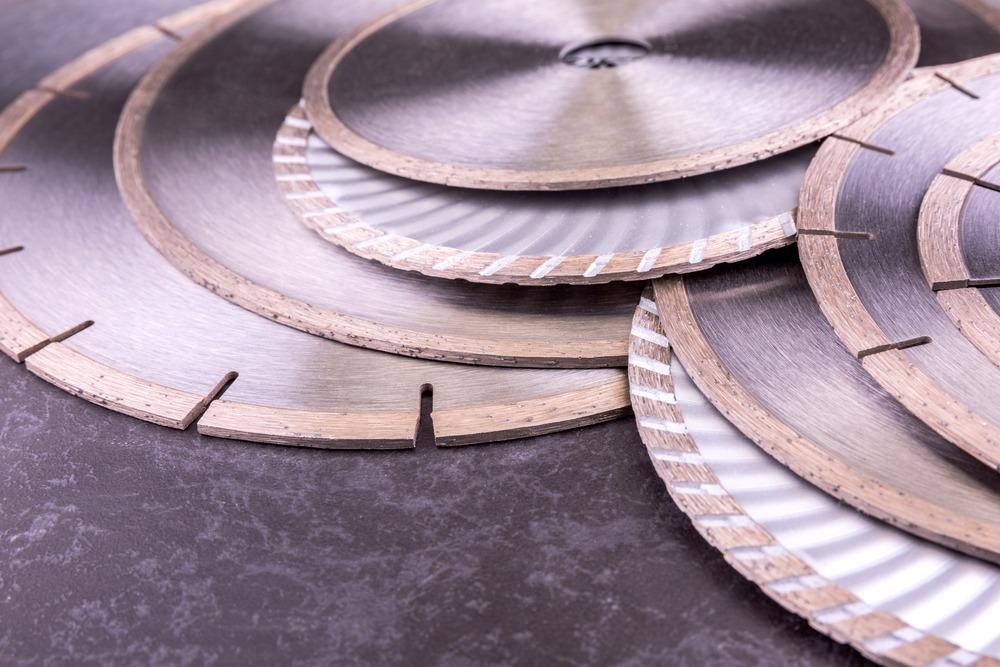
There are several types of each Diamond Blades built for a specific purpose. Segmented blades are commonly used for heavy-duty tasks such as cutting concrete and asphalt because they allow better cooling during operation. Continuous rim blades are smoother and ideal for cutting tiles or glass where a clean finish is needed. Turbo blades provide a mix of speed and smooth cutting.
Choosing the right blade can make a big difference in performance and cost. A wrong choice may lead to faster wear or uneven cuts, which can slow down work and increase expenses over time. Some blades can last for 40 hours of continuous use, while others are designed for shorter tasks. Selection matters.
Maintenance and Safe Handling
Proper maintenance is essential for keeping diamond blades in good condition. Cleaning the blade after each use removes debris that could affect its performance during the next operation. Regular inspection helps identify cracks or uneven wear that may lead to failure during cutting. Small actions help a lot.
Safety is also a major concern when working with high-speed cutting tools. Operators must wear protective gear such as gloves, goggles, and helmets to reduce the risk of injury. Even a moment of carelessness can lead to serious problems. Awareness is key.
Factors That Influence Blade Performance
Several factors determine how well a diamond blade performs during use. The speed of the cutting machine, the pressure applied by the operator, and the hardness of the material all play important roles in shaping the outcome of each cut. Using too much force can damage both the blade and the material. Balance is necessary.
Environmental conditions also affect performance, as high temperatures, dust levels, and moisture can change how the blade behaves during long cutting sessions that may last several hours without interruption. Skilled workers adjust their techniques to handle these conditions effectively. Experience matters.
Innovations and Future Developments
New advancements in diamond blade technology are improving efficiency and durability. Manufacturers are experimenting with advanced bonding materials that last longer and maintain consistent cutting performance across different surfaces. Some blades now include features that reduce vibration and noise, making them easier to handle during extended use. This improves comfort.
Research also focuses on reducing waste during production and creating blades that use fewer raw materials while still delivering high performance, which can help lower costs and support more sustainable manufacturing practices over time. Progress continues steadily.
Diamond blades remain a vital part of modern construction and industrial work. Their strength and precision allow workers to complete demanding tasks with confidence. With proper care and correct usage, these tools can provide long-lasting performance while supporting efficient and accurate cutting across many different materials and environments.

Leave a Reply